Inclusion ishow we teach.
Bias-informed education, social justice, and historical accuracy are not units in a binder we pull out once a year. They’re woven into every classroom, every grade, every day. Featured on PBS NewsHour for this work.
Here, there are no“others.”
At The Child Unique Montessori School and Montessori Elementary Intermediate School of Alameda, we celebrate and welcome who you are: all people of color, white, non-binary, LGBTQIA+, heterosexual, people with diverse faith traditions—or none, those with diverse ethnicities, nationalities and all skin colors, those of all socio-economic circumstances, the differently-abled or differently identified, those with diverse political persuasions or none—we celebrate who we are! We stand together as allies and work for a world that works for all of us. We are all celebrated and invited to step up to the table of respect, equity, and love.
We are more because you are here.
What this worklooks like.
Four ways our values become daily classroom practice.
Bias-Informed Curriculum
Our students learn to see, name, and challenge unfairness from their earliest years. We teach respect for every kind of family, every kind of body, and every kind of name. Featured on PBS NewsHour for this work.
Historical Accuracy
Our students do not learn that California was always called California. They learn the Ohlone were here. They learn the language they spoke (Chichenyo). They learn what happened to them, and to their land. History told honestly, age-appropriately, every year.
Welcoming Schools
We are a Human Rights Campaign Welcoming Schools program participant. That means staff training, family engagement, and curriculum that affirms LGBTQ+ children and families as a baseline, not an afterthought.
No "Others"
We protect personal values by celebrating cultural and seasonal events instead of religious holidays. Children of every faith tradition (and none) feel seen and unsingled-out in our classrooms.
The world is the classroom.
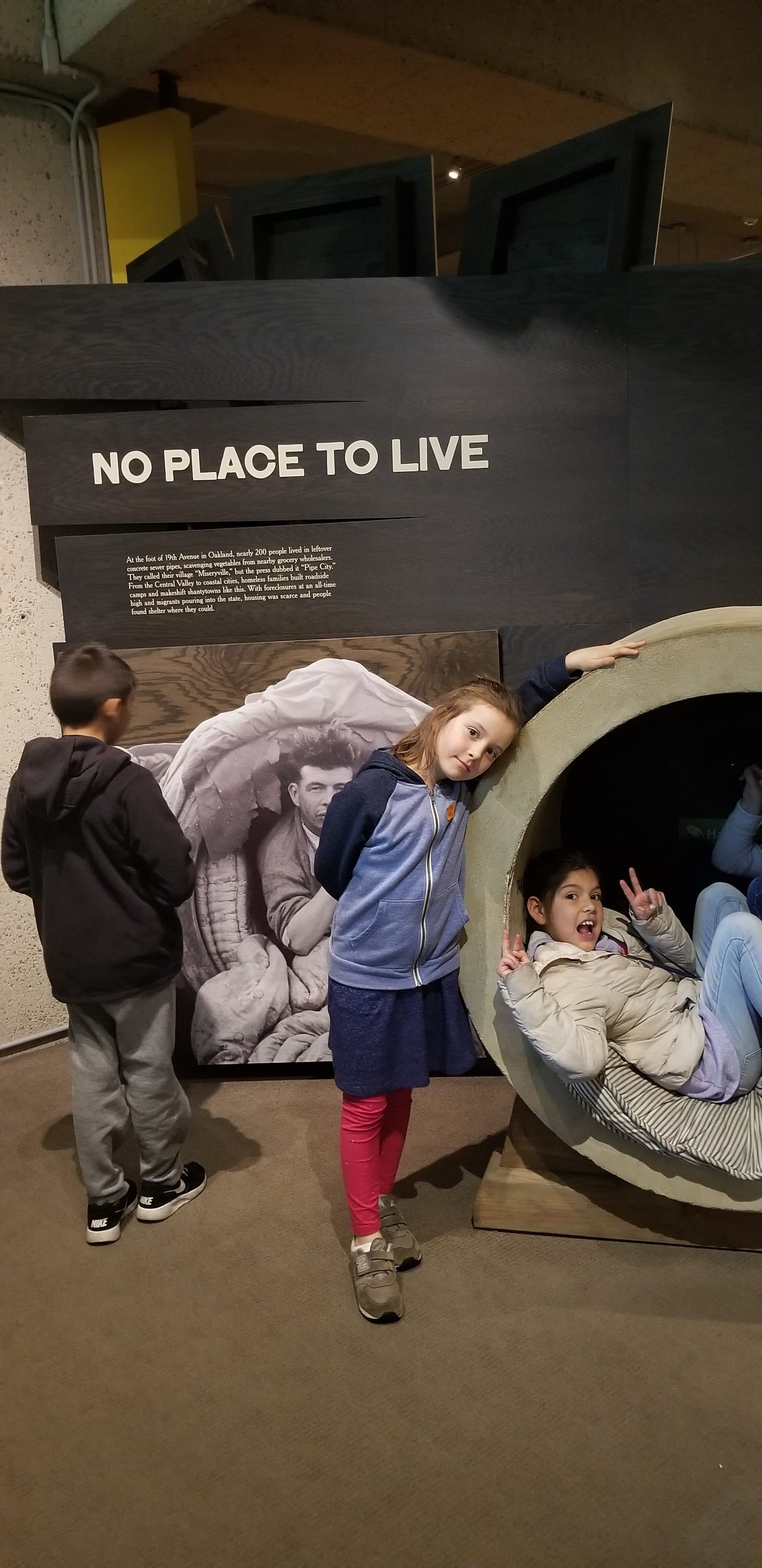
Our students don’t just read about housing inequality, food systems, or the people who lived here first. They go see.
Housing Justice
No Place to Live Exhibit
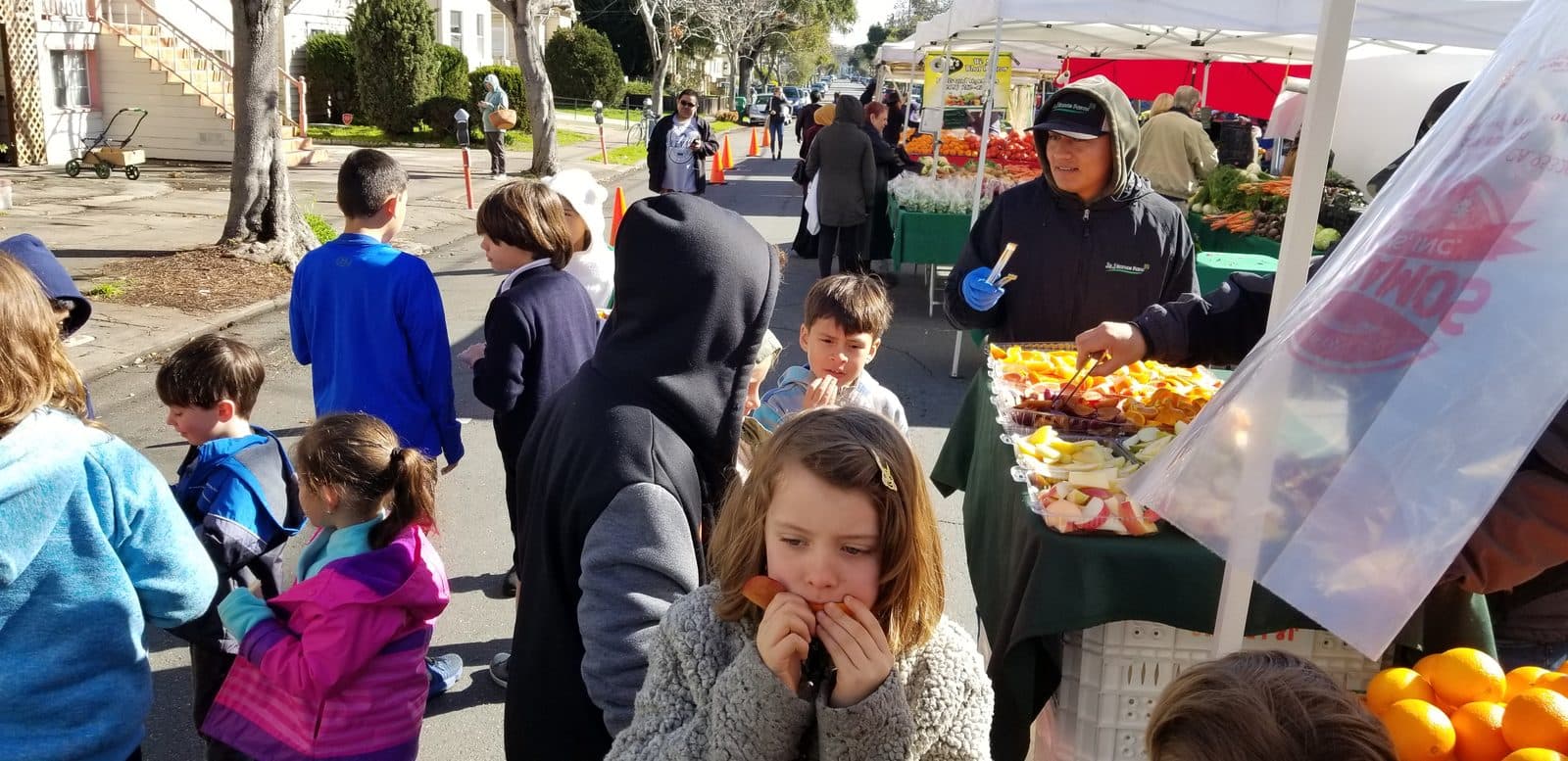
Food Systems
Local Farmers Market
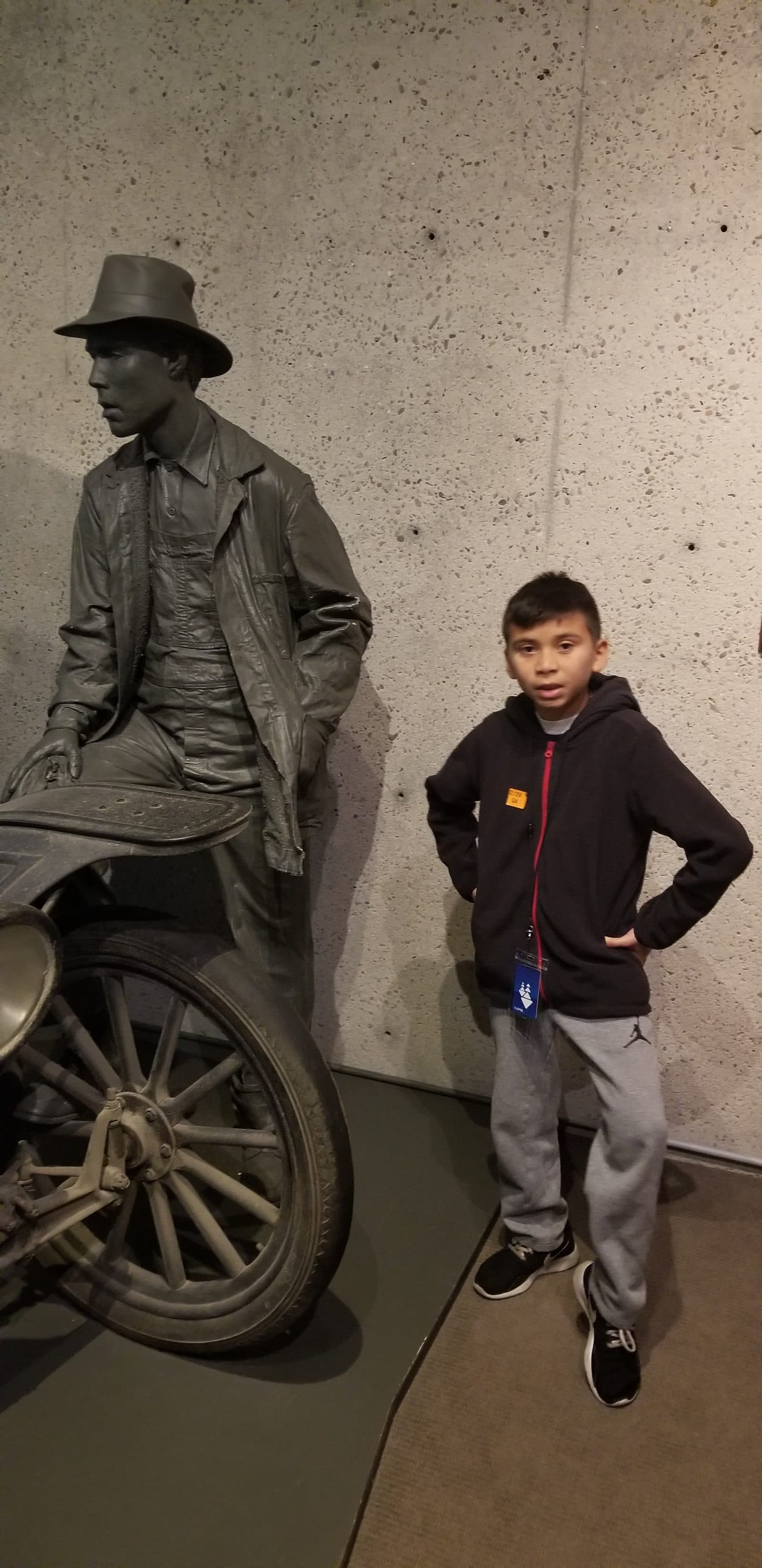
Local History
Ohlone & Bay Area
Featured on PBS NewsHour.
PBS NewsHour spotlighted our work and how it helps preschoolers hold up a mirror to diversity. Watch the full segment on PBS.org.
Watch on PBS.org